If you’ve used MDMA and are now facing low mood, fatigue, and anxiety, you’re experiencing a real but short-lived comedown.
Most people see meaningful improvement within three to seven days, provided they get adequate sleep, stay hydrated with electrolytes, and avoid redosing.
This article explains what to expect during MDMA withdrawal, how long symptoms typically last, and the safest steps to support your recovery.
What Happens During MDMA Withdrawal?
MDMA withdrawal differs from the dangerous physiological syndromes seen with alcohol or opioids. Instead of life-threatening seizures or severe physical dependence, MDMA produces a predominantly psychological comedown characterized by mood and cognitive changes. The drug’s massive release of serotonin during use leaves your brain temporarily depleted, which explains the emotional and mental fog that follows.
Symptoms typically begin within 12 to 24 hours as the drug’s effects fade. You might notice irritability, sadness, difficulty concentrating, and trouble sleeping. Physical complaints like headaches, muscle soreness, and jaw tension are common but usually milder than the psychological burden. These symptoms peak over the first one to three days and generally resolve substantially within a week for most recreational users.
The intensity and duration depend heavily on how much you used, whether you redosed, and your individual biology. Women and people with certain genetic variants in serotonin transport systems may experience more intense negative effects during both intoxication and the comedown. Sleep deprivation, dehydration, and mixing MDMA with other substances can all worsen and prolong withdrawal symptoms.
Common MDMA Withdrawal Symptoms
Psychological Symptoms
The psychological symptoms dominate the MDMA comedown experience. Low mood and anhedonia, the inability to feel pleasure, are nearly universal. You may feel emotionally flat, tearful, or irritable without clear triggers. Anxiety and edginess often accompany the mood changes, sometimes with racing thoughts or rumination about the experience or your life circumstances.
Cognitive fog is another hallmark. Many people describe slowed thinking, poor concentration, and working memory problems that make routine tasks feel effortful. Motivation drops, and social withdrawal is common as you lack the energy or interest to engage with others. These changes reflect the brain’s temporary serotonergic deficit and prefrontal metabolic slowdown documented in imaging studies of MDMA users.
Physical Symptoms
Physical symptoms are generally less severe but still uncomfortable. Headaches or pressure sensations, muscle fatigue and soreness from dancing or jaw clenching, lingering jaw tension and oral hygiene issues are typical. Appetite suppression may persist for a day or two, followed by increased hunger as your body recovers. Restlessness and an inner sense of tension can make it hard to relax despite exhaustion.
Sleep disturbance is particularly troublesome. You may struggle with insomnia the first night or two, then experience fragmented sleep or, later in the week, hypersomnia as your body repays sleep debt. Correcting this sleep disruption is one of the most important steps in shortening the comedown.
When Symptoms Signal a Medical Emergency?
Severe presentations are not withdrawal but acute toxicity. If you experience fever above 105°F, confusion, seizures, severe agitation, chest pain, or signs of serotonin syndrome such as muscle rigidity and rapid heart rate, seek emergency care immediately. These complications require urgent medical intervention and are distinct from the typical comedown.
MDMA Withdrawal Timeline
Hours 0 to 24: Acute Offset
As MDMA’s psychoactive effects fade, you’ll notice a steady decline in mood and energy. Dysphoria sets in, often accompanied by paradoxical insomnia despite tiredness. Mild irritability, edginess, jaw tension, and body soreness from physical activity are common. Headaches and reduced appetite may appear. This phase reflects the immediate aftermath of serotonin depletion and circadian disruption.
Days 1 to 3: Peak Comedown
The psychological symptoms reach their peak during this window. Low mood, anhedonia, anxiety, and cognitive fog are most intense. You may feel emotionally labile, swinging between sadness and irritability. Concentration and motivation suffer, making work or social obligations challenging. Sleep remains disturbed, with insomnia or fragmented rest.
Physical symptoms persist but usually begin to subside. Muscle fatigue, lingering jaw tension, and headaches continue, though they’re typically less bothersome than the mood and cognitive changes. A daily assessment study in nightlife users confirmed that mental well-being drops significantly in the three days after MDMA use, even after adjusting for sleep quality and other substance use.
Days 3 to 7: Resolution Phase
Most people experience meaningful improvement by day three to five. Mood begins to lift, cognitive clarity returns, and sleep normalizes. Physical symptoms like headaches and muscle soreness resolve. By day seven, near-complete resolution is typical if you’ve maintained abstinence, corrected sleep debt, and stayed hydrated.
Beyond One Week: When to Seek Help?
A minority of users, especially those with heavy or serial dosing patterns, sleep deprivation, polysubstance use, or underlying mental health conditions, may experience symptoms beyond one week. Persistent low mood, anxiety, insomnia, or cognitive impairment lasting more than two weeks warrants evaluation for major depression, substance-induced mood disorder, or other causes. Neuroimaging evidence shows that serotonin transporter availability recovers with sustained abstinence, supporting the view that prolonged symptoms often reflect other factors requiring targeted treatment.
Factors That Influence Withdrawal Severity
Dose and Redosing Patterns
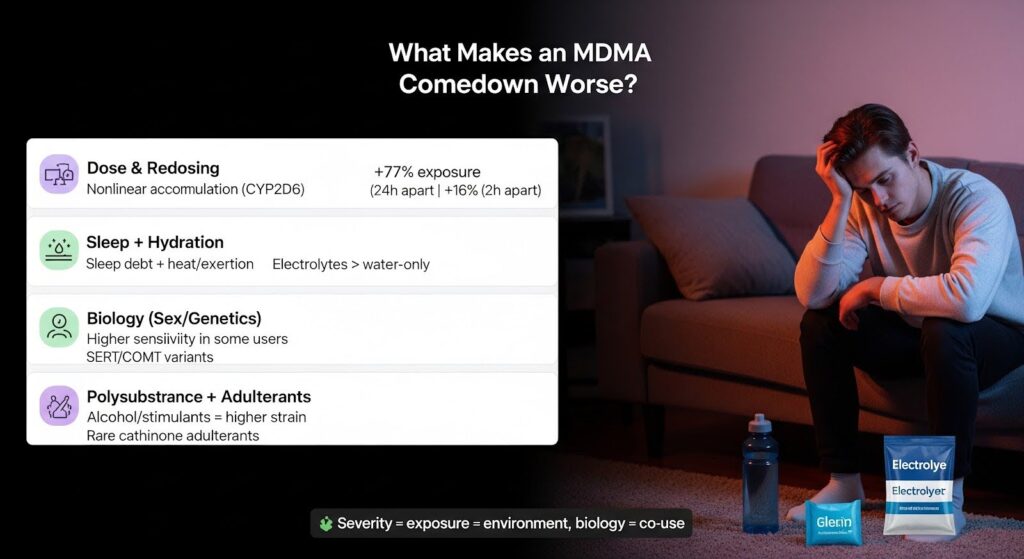
Higher doses and redosing within hours or the next day markedly worsen the comedown. MDMA inhibits its own metabolism through the CYP2D6 enzyme, causing nonlinear accumulation. Studies show that two doses 24 hours apart increase drug exposure by 77 percent, and doses two hours apart raise exposure by 16 percent. This accumulation deepens serotonergic depletion and amplifies next-day symptoms, even as acute subjective effects show tolerance.
Sleep Deprivation and Hydration
MDMA’s stimulant properties disrupt sleep onset and architecture. Physical exertion in hot environments without adequate fluid and electrolyte intake worsens fatigue and can precipitate dangerous hyponatremia if you overhydrate with water alone. Correcting sleep debt and balanced rehydration are among the most effective ways to hasten recovery.
Sex and Genetic Factors
Women experience more intense physiological responses and negative subjective effects than men at similar plasma concentrations, including greater dizziness, sedation, anxiety, and depressive symptoms.
Genetic variants in serotonin transporter and catechol-O-methyltransferase genes also moderate acute effects, with low-function variants linked to more negative experiences. These patterns likely forecast the balance of post-use somatic versus affective complaints.
Polysubstance Use and Adulterants
Mixing MDMA with alcohol, cocaine, methamphetamine, or other stimulants increases cardiovascular strain, dehydration, and the risk of prolonged withdrawal symptoms.
European drug-checking data from 2024 show that while most MDMA samples are not adulterated, a small minority contain synthetic cathinones or other agents that can unpredictably reshape the intoxication and withdrawal profile.
Safe MDMA Detox Strategies
Hydration and Electrolyte Balance
Proper hydration is critical but must be balanced. In hot, active settings, aim for about 500 milliliters of fluid per hour, preferably with electrolytes like oral rehydration solutions.
Avoid overhydration with water alone, which can cause hyponatremia and brain swelling, a recognized cause of morbidity in MDMA contexts. During recovery, continue moderate fluid intake with balanced meals to restore electrolyte levels.
Sleep Restoration
Prioritize seven to nine hours of consolidated sleep nightly for several days after use. Create a dark, cool sleep environment and avoid stimulants or sedatives as self-rescue measures. If insomnia persists beyond the first night, brief behavioral activation during the day and strict sleep hygiene at night help reset your circadian rhythm.
Nutrition and Physical Care
Refeeding with balanced carbohydrates, proteins, and micronutrients supports recovery. Small, frequent meals work well if appetite is low. Gentle stretching or light activity can reduce muscle soreness, but avoid intense exertion for 24 to 48 hours. Consider a multivitamin if your diet has been depleted.
Avoiding High-Risk Behaviors
Strict avoidance of additional MDMA, other stimulants, or depressants used to smooth the comedown is essential. Alcohol nightcaps worsen dehydration and sleep quality. Benzodiazepines or other sedatives without medical supervision carry their own risks. The safest path is to ride out the short-lived dysphoria with supportive care and rapid follow-up.
When Professional Treatment is Necessary?
Emergency Red Flags
Seek immediate emergency care if you experience hyperthermia, severe agitation, altered mental status, seizures, chest pain, syncope, severe headache, or signs of serotonin syndrome. Hyponatremia features like confusion, vomiting, or seizure after excessive water intake also require urgent evaluation. These are medical emergencies related to acute toxicity, not withdrawal, and demand time-critical interventions.
Outpatient Stabilization
For most people without emergency features, structured outpatient care is appropriate. Daily or every-other-day check-ins during the first 72 hours focus on mood, sleep, and safety. Brief supportive counseling normalizes the three-day blues trajectory while explicitly screening for suicidal ideation.
Measurement-based care with baseline mood and anxiety assessments helps track recovery and identify those who need stepped-up support.
Stimulant Use Disorder Treatment
If MDMA use has become problematic, meeting criteria for stimulant use disorder, the ASAM/AAAP 2024 guideline identifies contingency management as the first-line treatment. This behavioral intervention provides immediate, tangible rewards for objective abstinence verified by urine drug screens.
Over 100 randomized trials support its effectiveness for stimulant outcomes, and digital platforms now extend its reach to mobile populations.
Psychosocial interventions like cognitive behavioral therapy and motivational interviewing complement contingency management by addressing triggers, building coping skills, and supporting relapse prevention.
Integrated care for co-occurring depression, anxiety, or trauma is essential, as treating the substance use disorder alone without addressing mental health comorbidities worsens adherence and relapse risk.
Medication-Assisted Options
Medications for stimulant use disorder remain off-label adjuncts with limited evidence. No FDA-approved medications exist specifically for MDMA withdrawal or dependence.
However, in selected cases with comorbid depression or amphetamine co-use, clinicians may consider bupropion or the combination of extended-release naltrexone plus bupropion, which showed promise in methamphetamine trials. Early improvements in depressive symptoms predicted subsequent stimulant abstinence, suggesting that mood stabilization may facilitate recovery.
Serotonergic antidepressants like SSRIs are not appropriate for acute comedown treatment and carry serious risks if MDMA is used concurrently. The combination can trigger severe serotonin syndrome. If you already take an SSRI for major depression, coordinate closely with your prescriber and strictly avoid MDMA to prevent dangerous interactions.
Long-Term Recovery and Relapse Prevention
Building a Recovery Plan
Sustained recovery from MDMA-related problems requires a structured plan that addresses triggers, builds protective routines, and maintains accountability.
Identify high-risk contexts like festivals, certain friend groups, or insomnia episodes, and develop concrete strategies to avoid or navigate them. Designated non-using peers, early exit plans from events, and skipping high-risk weeks can reduce exposure.
Monitoring and Measurement
Objective monitoring with urine drug screens provides clear feedback and supports contingency management reinforcement. Tracking mood and sleep quality helps identify relapse windows early. Weekly reviews of abstinence duration and symptom trends allow you and your care team to adjust support intensity and celebrate progress.
Integrated Mental Health Care
Co-occurring anxiety, depression, insomnia, or trauma require integrated treatment. Addressing these conditions reduces the emotional drivers of MDMA use and improves overall functioning. Integrated dual-disorder models that treat substance use and mental health together at a single site reduce fragmentation and improve outcomes.
Understanding MDMA’s Effects on the Brain
MDMA acts primarily on serotonin systems, promoting massive neurotransmitter release that underlies the drug’s empathogenic and stimulant effects. This acute surge is followed by a post-use phase dominated by low serotonergic tone and transporter recalibration.
Brain imaging studies consistently show reduced serotonin transporter availability in current users, with the magnitude correlating to use intensity and time since last use.
Importantly, these changes are largely reversible. Former users’ serotonin transporter levels approach those of drug-naïve controls, and cognitive deficits linked to prefrontal metabolism improve with sustained abstinence. This recovery trajectory supports the clinical observation that for most users, the comedown is self-limited and does not imply inevitable long-term damage.
Harm Reduction Principles
Drug Checking and Adulterant Awareness
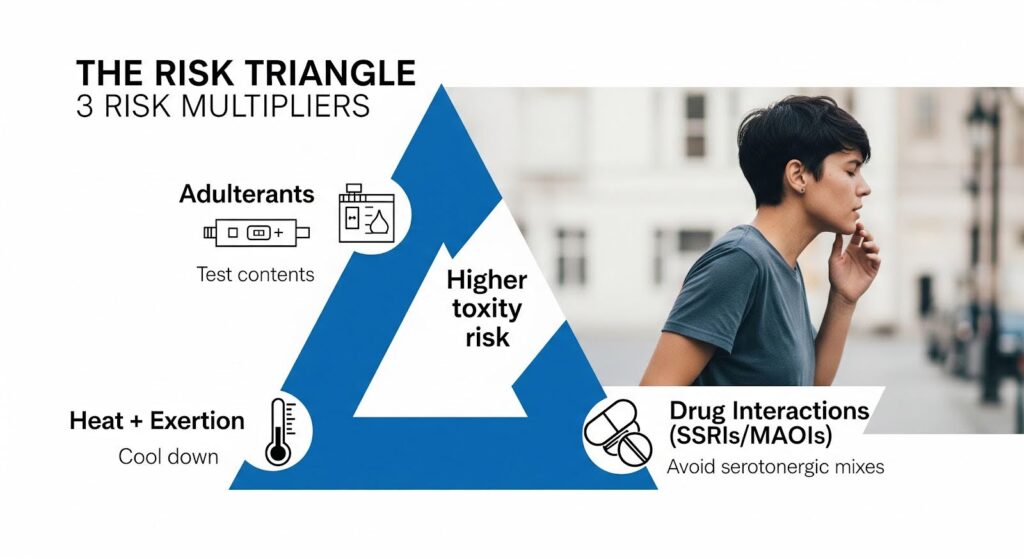
Even with improved purity trends, some MDMA products contain synthetic cathinones or other substances that complicate expected effects and withdrawal. Where legal, reagent testing kits provide information about contents and support safer use decisions. Awareness of adulterant symptom patterns helps you and clinicians anticipate atypical courses.
Environmental and Drug-Drug Risks
The synergistic risk of heat, exertion, and MDMA’s thermogenic effects creates a perfect storm for hyperthermia. Frequent cool-down breaks, avoiding poorly ventilated spaces, and minimizing vigorous activity during recovery reduce delayed complications.
Combining MDMA with SSRIs, MAOIs, or other serotonergic medications substantially increases serotonin syndrome risk and should be strictly avoided.
Myths and Misconceptions
Is MDMA Withdrawal Dangerous?
Unlike alcohol or benzodiazepine withdrawal, MDMA withdrawal is not medically dangerous in most cases.
The primary risks are acute toxicity during intoxication and the psychological distress of the comedown, which can include suicidal thoughts in vulnerable individuals. With proper safety screening and supportive care, the vast majority of people navigate the withdrawal period safely in outpatient settings.
Does Everyone Experience the Same Timeline?
No. While the three-to-seven-day window is typical, heavy or frequent users, those with sleep deprivation or polysubstance exposure, and individuals with baseline mental health conditions may experience prolonged symptoms.
Conversely, occasional users with good sleep and hydration often see faster resolution. Individual biology, including sex and genetic factors, also shapes the experience.
Moving Forward: Your Next Steps
MDMA withdrawal is real, uncomfortable, and time-limited. Understanding the typical timeline, recognizing the factors that worsen symptoms, and implementing safe detox strategies can shorten the comedown and reduce complications. For most people, the psychological and physical symptoms resolve within a week with abstinence, sleep restoration, and balanced hydration.
If symptoms persist beyond two weeks, if you’re struggling with recurrent MDMA use, or if you’re experiencing suicidal thoughts, professional help is essential. Evidence-based treatment centered on contingency management, integrated mental health care, and objective monitoring offers the safest and most effective path to long-term recovery.
You don’t have to navigate this alone. Reach out to addiction treatment professionals who can provide the support, structure, and care you need to move forward.