Figuring out does insurance cover residential treatment can feel confusing when you or someone you love needs help right now and every day of delay feels risky. Yes, most plans cover it when a clinician proves medical necessity through ASAM placement criteria, often requiring proof that a lower level, like intensive outpatient at 9 to 19 hours weekly, will not work first. This guide covers how insurers decide, what residential care costs, and how to appeal a denial.
Does Insurance Cover Residential Treatment?
Most health plans cover residential treatment, but only when a clinician shows it is medically necessary. Having a substance use disorder, or even a recent relapse, isn’t enough on its own. Insurers apply their own plan rules, network requirements, and clinical criteria to whatever record sits in front of them.
Many plans lean on the ASAM Criteria as a placement framework, though ASAM itself doesn’t force a plan to pay for anything. The insurer still decides whether the requested service is a covered benefit and whether the patient meets that plan’s own rules for the level of care being requested.
That distinction matters more than it seems. A person could clearly benefit from a structured, live in program and still get approved for outpatient care only, if the insurer believes that setting is safe enough. The reverse also happens. Someone with a milder diagnosis on paper might still qualify for residential care if their home life, medical needs, or relapse risk make anything less unsafe right now.
How Insurers Decide on Medical Necessity
Behind almost every coverage decision sit four separate questions. Is the service a covered benefit under this specific plan? Is the treatment facility part of the network? Does the clinical record actually support the level of care being requested? And is residential treatment the least restrictive setting that can keep this person safe and functioning?
A patient can satisfy the third question and still lose on the first or second. A program can be clinically appropriate yet financially out of reach if it sits outside the network with no exception available.
The bar insurers use isn’t whether residential care could help. It’s whether a lower level, like standard outpatient sessions or an intensive outpatient program, can realistically keep the person safe. If reviewers believe it can, they’ll steer treatment there first, and the request for residential care gets denied or downgraded.
The ASAM Levels of Care Explained
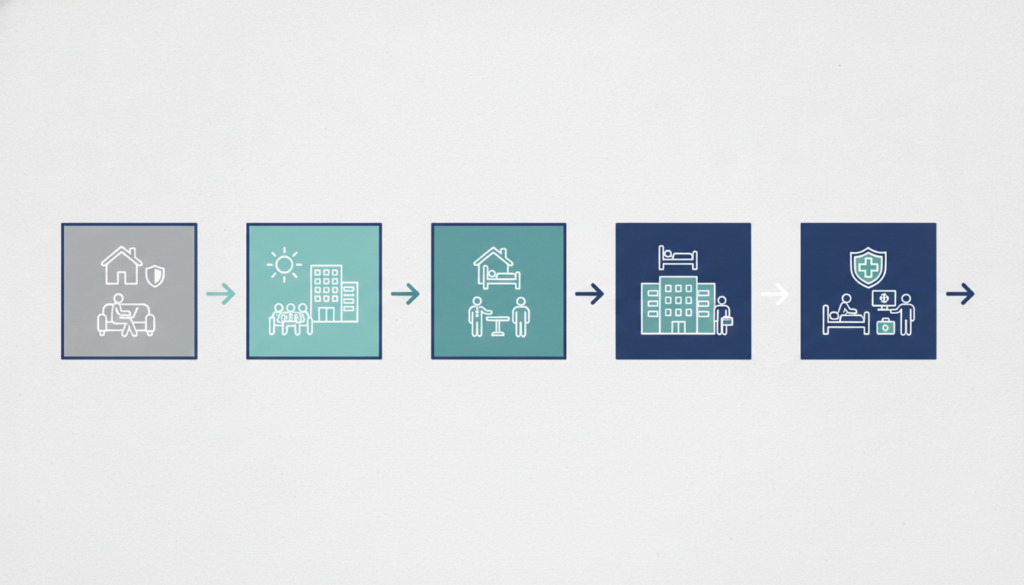
Insurers commonly sort substance use treatment into levels based on the ASAM level guide, which many payers now use as their clinical reference point. Intensive outpatient care runs about 9 to 19 hours a week, while high intensity outpatient care adds more daytime structure without an overnight stay. The three residential levels differ sharply in how much medical and clinical support a person needs around the clock.
| ASAM Level | What It Looks Like | The Insurer’s Core Question |
| 2.1 Intensive Outpatient | 9 to 19 hours weekly, living at home | Can this person stay safe outside a facility? |
| 2.5 High Intensity Outpatient | Daytime programming, no overnight stay | Is daytime structure enough without residential care? |
| 3.1 Low Intensity Residential | Live in setting with basic clinical support | Does the person need stable housing plus care? |
| 3.5 High Intensity Residential | Live in setting with intensive therapy | Can outpatient care manage this level of risk? |
| 3.7 Medically Managed Residential | Live in setting with active medical oversight | Are the medical or psychiatric needs too complex for lower care? |
The gap between these levels isn’t just hours of programming. It’s whether someone can stay abstinent, medically stable, and physically safe once they walk out the door at the end of the day.
Does Insurance Cover Inpatient Rehab Services?
Generally, yes, though the terms inpatient rehab and residential treatment don’t always mean the same thing to every plan. Some insurers file residential substance use care under a behavioral health facility benefit, while others fold it into a broader inpatient category alongside hospital stays.
One plan summary shows in network outpatient behavioral health services covered with no charge, while non plan provider inpatient and outpatient care is listed as not covered at all. That single detail explains why network status can decide the whole bill before medical necessity ever comes up.
Under an HMO in particular, going outside the network can mean a program is simply not covered, full stop, unless the plan grants an exception because no in network option can meet the patient’s needs. Checking your Evidence of Coverage before admission saves a lot of trouble later.
Why Coverage Gets Denied or Downgraded
A denial usually falls into one of four buckets. The plan may exclude the specific facility or program entirely. The provider may sit outside the network with no exception granted. The clinical record may not convince the reviewer that residential care, specifically, is what’s needed. Or, most commonly, the insurer agrees treatment is needed but decides a lower level, like intensive outpatient or high intensity outpatient care, will do.
That last category is the trickiest, and also the most winnable. A downgrade isn’t a statement that no treatment is needed. It’s a bet that the person can stay safe somewhere less intensive. The strongest response challenges that exact bet with specific facts, not general arguments. A recent relapse or overdose, an unsafe home, a failed attempt at outpatient treatment, or psychiatric symptoms that outpatient staff can’t monitor closely enough all carry real weight with a reviewer.
Vague statements that “addiction is serious” or that a person “needs help” rarely move the needle. Reviewers respond to dates, events, and outcomes they can point to in the chart.
Does Insurance Cover Inpatient Alcohol Rehab Too?
Alcohol use disorder is treated the same way as opioid or stimulant use disorder under most plans. The federal parity law that governs mental health and substance use coverage doesn’t single out one substance over another. Insurers must apply comparable rules, like prior authorization steps or medical necessity standards, to substance use treatment as they do to similar medical or surgical care.
So the same core questions apply whether the primary diagnosis is alcohol, opioids, or a mix of substances. What changes is the clinical picture, not the coverage framework. A person with alcohol withdrawal risk, for example, may need medical monitoring that shapes which level of care fits, but the plan’s approval logic stays consistent across substances.
Parity is a strong argument when a plan clearly applies stricter rules to substance use treatment than to comparable medical care, but it works best paired with solid clinical documentation, not used alone.
What You Will Actually Pay Out of Pocket
Your bill depends far more on network status and your plan’s allowed amount than on any facility’s list price. Picture a residential stay with a negotiated rate of 30,000 dollars. If 2,000 dollars of your deductible remains and your coinsurance is 20 percent, you’d owe the deductible plus 20 percent of the remaining 28,000 dollars, or 5,600 dollars, for a total of 7,600 dollars. But if your remaining out of pocket maximum is only 6,000 dollars, that becomes your actual cap for covered in network care that year.
Out of network care changes the math completely. Under many HMO plans, a facility outside the network may not be covered at all unless the plan grants an exception, which can leave you owing the full charge with no help from your out of pocket maximum.
Before admission, it’s worth confirming network status directly. A facility’s presence in a treatment facility directory or its own claim that it accepts insurance doesn’t guarantee your plan will pay anything toward it. Insurers also publish provider rate files listing specific rates by facility, though these files are often huge and hard to search without billing codes on hand.
In network providers generally accept the plan’s negotiated payment rate as full payment, while an out of network stay can trigger separate deductibles, higher coinsurance, or a balance bill from the facility itself.
How to Appeal a Denial
If you get a denial, don’t assume it’s final. According to internal appeal data cited by addiction advocacy groups, internal appeals reverse the original decision in roughly 40 to 60 percent of cases. That’s a strong reason to appeal rather than walk away after one letter.
Start by reading the denial closely and requesting the complete claim file, along with the exact clinical guideline the reviewer applied. Group health plans governed by federal claims rules must state a specific reason for denial, name the plan provision involved, and explain how to appeal, often within 180 days for standard claims and much faster, sometimes within 72 hours, for urgent ones.
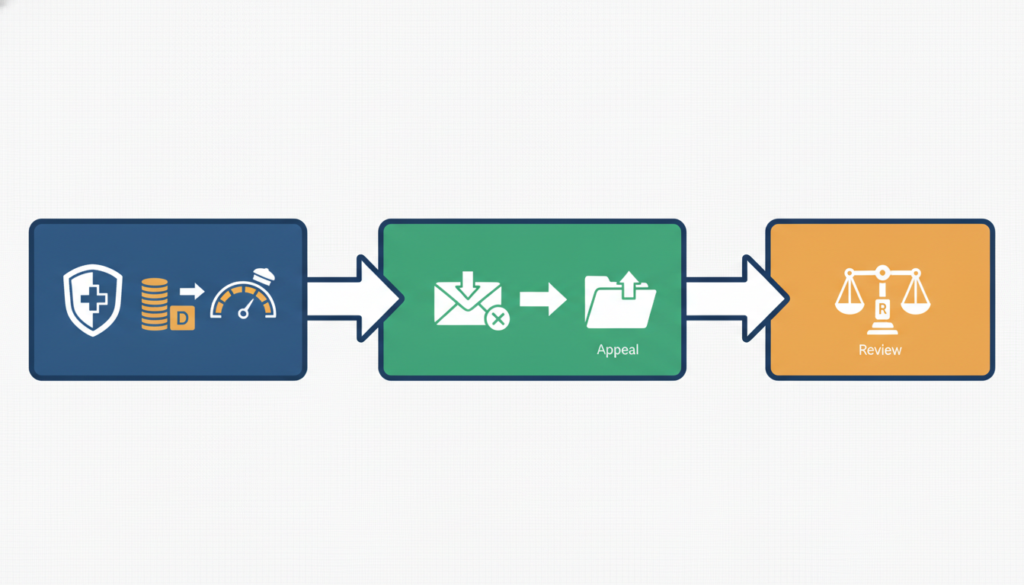
If delay is dangerous, such as after a recent overdose or amid active suicidal thoughts, ask for expedited review right away rather than waiting out the standard timeline. When a denial hinges on medical necessity or a disputed ASAM level, an independent review process after internal appeals are exhausted lets someone outside the insurer judge whether the record actually supports the requested level of care.
Every appeal should do one specific thing well: explain why the lower level the insurer proposed, whether that’s outpatient care, high intensity outpatient treatment, or a less intensive residential program, isn’t safe for this particular person right now.
So Does Insurance Cover Residential Treatment For You?
The honest answer stays the same no matter which substance or which level of care you’re asking about. It depends on your specific plan, your network, and the clinical picture your treatment team documents. A severe diagnosis alone won’t guarantee approval, and a milder one won’t automatically rule it out.
What actually moves a decision is a clear record showing why a lower level of care can’t keep you safe right now, backed by real dates, events, and treatment history rather than general statements. If you’re stuck between a denial and a decision that feels wrong, you have real options. Appeals succeed often enough to be worth the effort, and parity protections mean substance use treatment should face rules no stricter than comparable medical care.
Get Support Finding the Right Level of Care
Sorting out benefits, network rules, and the right level of care shouldn’t fall entirely on you or your family while everyone is already stretched thin. If you want help figuring out what your plan will actually cover and which program fits your situation, reach out to The Summit Wellness Group and book a consultation and we will walk through your options together.