Starting inpatient rehab can feel confusing, especially if you do not know what a normal day looks like or whether you can leave if it is not working. Most programs run structured days of therapy, meals, and medical checks much like a hospital stay, and clinicians use six ASAM dimensions to decide how long you need that structure. This article walks through what to expect in rehab, the daily schedule, common rules, and your real options if you want to leave early.
What Is Inpatient Rehab Like on a Typical Day
Inpatient rehab is not one single experience. What your day looks like depends heavily on the level of care you are in, whether that is medical detox, residential treatment, or a program that lets you live outside the facility while attending sessions.
A hospital based medical detox stay usually lasts about two to three days and focuses on physical safety first. You can expect a medical exam, lab work, nursing checks, and medication support to manage withdrawal. Once you are stable, staff typically refer you to the next step, whether that is residential treatment or an outpatient program.
Residential treatment moves at a slower pace. You live at the facility for a longer stretch, often weeks, and your day fills with group sessions, individual counseling, meals, and free time. Partial hospitalization and intensive outpatient programs sit a level below that. You attend treatment for several hours a day but sleep somewhere else, whether that is home or a sober living house.
| Setting | Main focus | Typical length |
| Medical detox | Managing withdrawal safely | A few days |
| Residential rehab | Structured therapy and daily living | Weeks to a couple months |
| Partial hospitalization | Intensive treatment, live off site | Several hours a day |
| Intensive outpatient | Lower level of support, live off site | Fewer hours per week |
None of these settings are interchangeable, and the rules that apply to one do not automatically apply to another. A detox unit and a long term residential program can sit inside the same building and still operate under different licenses and different expectations.
A Look at the Inpatient Rehab Daily Schedule
While every inpatient rehab program runs a little differently, most share a similar rhythm once the acute medical phase has passed. Mornings usually start with a check in or brief medical review, moving into blocks of group therapy, individual sessions, and structured activities. Meals and rest periods break up the day, and evenings often close with a reflection group or quiet time before lights out.
Early on, that schedule tends to be tighter and more closely supervised. This matches the pattern seen in early detox care, where assessment, monitoring, and stabilization take priority over anything else. As you move further into treatment, the schedule usually loosens a bit, with more independent time and more responsibility placed on you to use the coping skills you are learning.
It is worth saying plainly that no single national schedule applies to every program. A facility built around trauma work may spend more hours in individual therapy. A facility built around peer support may lean harder on group sessions. What stays consistent is the goal: keep you safe, keep you engaged, and slowly hand more control back to you as you show you can handle it.
Common Rehab Rules and Why They Exist
Rehab rules can feel strict, and sometimes they are. Many residential programs limit phone access, internet use, visitors, and outside contact, especially in the first days or weeks. Programs often explain these communication rules as a way to cut down on distraction, protect your privacy, and keep you from reconnecting with people who might pull you back toward substance use.
Some programs have moved the other direction. When a California provider running nine residential facilities dropped its phone ban and let clients keep their devices, departures triggered by staff catching someone with a phone stopped entirely, and staff were able to call some clients back into treatment after they left. Structure and connection to the outside world are not always opposites.
Here is the part people often miss. A rule limiting your phone is a program policy, not a law. It regulates how you participate in treatment. It does not, by itself, give a facility the power to physically stop you from walking out the door. Basic patient rights principles like privacy, dignity, and access to a grievance process apply at licensed and accredited facilities, and they do not disappear just because you signed an admission form.
So if a rule feels unreasonable, ask what it is protecting and whether there is room for an exception, especially if you have work, kids, or a legal matter that needs attention. A good program will explain its reasoning rather than just pointing at a signature on a page.
Can You Leave Rehab Whenever You Want
In most cases, yes. A voluntary adult who understands their situation and can make a clear choice generally has the right to leave rehab, including residential treatment, unless a specific legal process says otherwise.
That single sentence carries a lot of weight, so let us unpack it. Voluntary admission means you agreed to enter care. It does not mean you gave up your right to change your mind. Staff can strongly recommend that you stay, explain the risks of leaving, and try to talk through what is driving your decision. What they generally cannot do is lock the door and hold you simply because they think staying longer would help.
This is where legal status matters more than the label on the building. A person held under a state emergency hold, a court order, or a formal civil commitment process is in a different legal position than someone who walked in on their own. Florida’s Marchman Act process is one example of a state law that allows courts to order evaluation or treatment for substance impairment under specific conditions. Kentucky has a similar law known as Casey’s Law. Neither law means that every person in treatment in that state can be held automatically. The facility still needs to actually use the legal process, not just reference it.
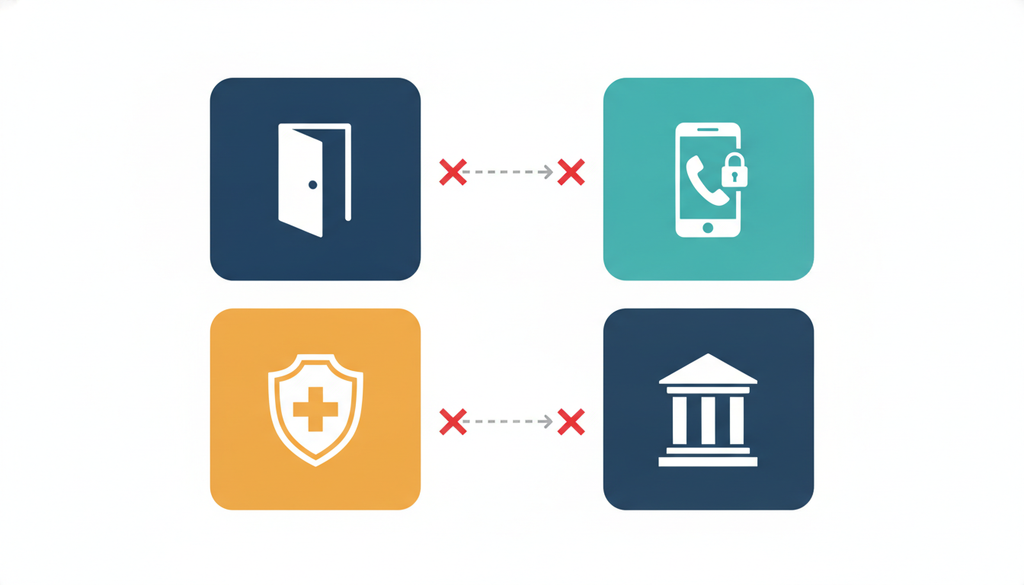
The clearest way to think about it: a blackout period regulates contact, not freedom. It is a rule about your phone, not a rule about your legs.
When a Facility Can Legally Hold You
There are real situations where a facility can hold someone temporarily, and it helps to know what those look like so you are not caught off guard.
An emergency psychiatric hold is the most common example. These holds are meant for short term stabilization when someone appears to pose a danger to themselves or others, or cannot meet basic needs because of a mental health crisis. The exact emergency hold periods vary by state, ranging from around 24 hours to as long as ten days for an initial hold, and continuing detention past that usually requires a hearing or additional court process.
Substance use civil commitment laws work along a similar path but under different criteria, and they vary widely from state to state. Some states require proof of grave danger. Others focus on inability to care for oneself. A family’s worry, on its own, does not equal a legal commitment, no matter how well founded that worry might be.
Capacity is the other piece of this puzzle. Even a voluntary patient can temporarily lose the ability to make a safe decision because of intoxication, severe withdrawal, or a psychiatric crisis. Clinicians look at decision specific capacity, meaning your ability to understand your situation, weigh the options, and communicate a steady choice. Poor judgment about sobriety is not the same as lacking capacity. Confusion from delirium might be.
Put simply, a facility needs one of these actual legal tools, not just concern, to hold someone against their will.
Leaving Against Medical Advice: What Happens
If you decide to leave before your treatment team thinks it is safe, that is usually documented as leaving against medical advice. That phrase sounds heavier than it should. It is a note in your chart, not a punishment, and it does not erase your right to safe discharge planning.
A responsible team will not just hand you a form to sign. They should check whether you are currently in withdrawal, review your medical and mental health status, and talk through what is actually driving your decision to leave. If you are withdrawing from alcohol, staff may use a standardized CIWA Ar tool to track symptoms, though that score alone cannot predict future complications or decide whether you have the right to leave. It is one piece of information, not the whole picture.
For anyone coming off opioids, the biggest danger after leaving early is not the withdrawal itself. It is opioid overdose risk after your tolerance drops during treatment. If you use the same amount you used before, your body may not handle it the way it once did. A safe discharge should include naloxone, clear warning signs of overdose, and a plan for follow up care, even if you are choosing to leave sooner than recommended.
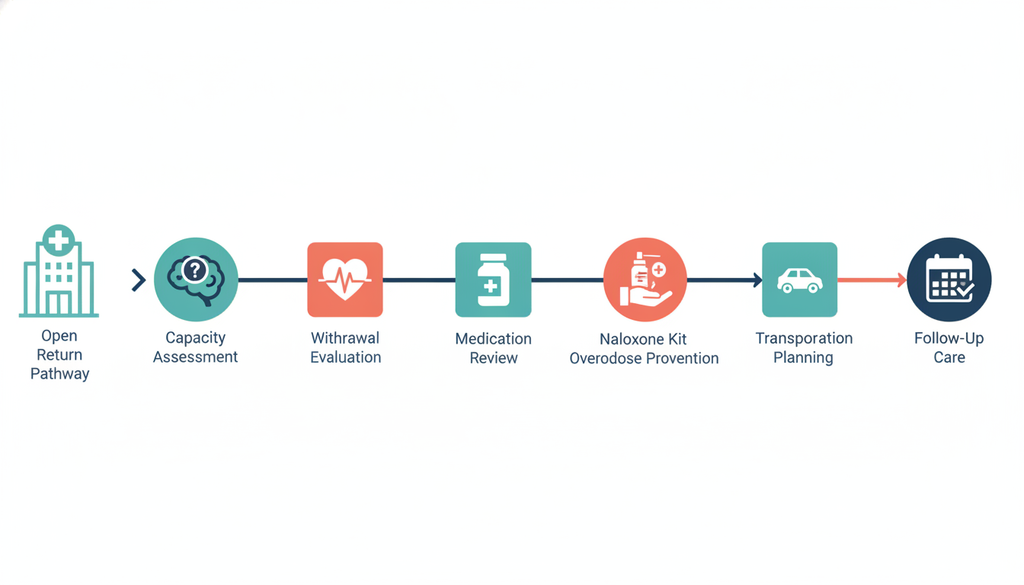
A good discharge conversation also covers practical things: medication you need to continue, a ride home, a follow up appointment, and an open invitation to come back if things do not go as planned. None of that requires you to change your mind. It just means leaving safely instead of leaving abruptly.
Why This Matters for Your Recovery
Knowing the actual rules around inpatient rehab changes how you show up to treatment. You are less likely to panic over a phone restriction that is not really a threat to your freedom, and you are more likely to speak up clearly if something genuinely crosses a line.
It also changes how families act during a crisis. Understanding the difference between a program rule and a court process helps everyone focus energy where it counts, whether that means requesting a capacity evaluation, asking direct questions about legal status, or simply sitting with someone through a hard first two weeks instead of assuming a form locks them in.
The honest answer to “can you leave rehab” is almost always yes, paired with a second honest answer: leaving safely usually beats leaving fast. If you are weighing whether to stay, ask your team what specific risks they are seeing, what a safer exit would look like, and what support is available the moment you decide to go.
If you or someone you love is trying to figure out the right next step in treatment, our team at The Summit Wellness Group can help you sort through the options and find a plan that actually fits. Reach out to book a consult and start the conversation today.