Alcoholic neuropathy is nerve damage in the feet and hands caused by heavy drinking, often starting as tingling or numbness in the toes. Stopping alcohol can help: in one tracked group, sensory symptoms eased within days and strength kept improving for up to two years, though mild numbness sometimes stayed. This guide covers the common alcoholic neuropathy symptoms, what happens in the feet, whether the damage can be reversed, and the treatment steps that support real recovery.
What Is Alcoholic Neuropathy?
Alcoholic neuropathy is damage to the peripheral nerves associated with long-term heavy alcohol use. Because the longest nerve fibers are usually affected first, symptoms often begin in the toes and feet before extending into the legs or hands. Doctors call this a length-dependent pattern.
A systematic review of 87 studies estimated that 46.3% of people with long-term heavy alcohol use had peripheral neuropathy confirmed by nerve-conduction testing. That prevalence estimate came from 17 studies involving 1,596 participants, not all 87 studies in the review. Alcohol exposure and nutritional deficiencies may both contribute to nerve injury, although their relative roles remain uncertain.
There is no single lab test that confirms alcoholic neuropathy, so diagnosis relies on your drinking history, a physical exam, and sometimes nerve testing to rule out other causes like diabetes or low vitamin B12.
Alcoholic Neuropathy Symptoms to Watch For
Alcoholic neuropathy symptoms usually build slowly, which is part of why people brush them off at first. According to peripheral nerve research, alcohol can damage sensory, motor, and autonomic nerves at the same time, which is why symptoms show up in several different ways rather than just one.
Common symptoms include:
- Burning, tingling, or electric feelings in the toes and feet
- Numbness or reduced feeling in the feet, hands, or both
- Heightened sensitivity to touch, even light contact from socks or sheets
- Muscle weakness, especially around the ankles and toes
- Trouble with balance or an unsteady walk
- Visible muscle wasting in more advanced cases
Some people also notice autonomic symptoms, like dizziness when standing up, digestive trouble, or sexual problems, because alcohol can affect the nerves that control automatic body functions. These are less talked about than foot pain, but they matter just as much for diagnosis.
Alcohol Neuropathy in the Feet: Why It Starts There
Symptoms of alcohol-related neuropathy often appear first in the toes and feet because the longest peripheral nerves are preferentially affected.
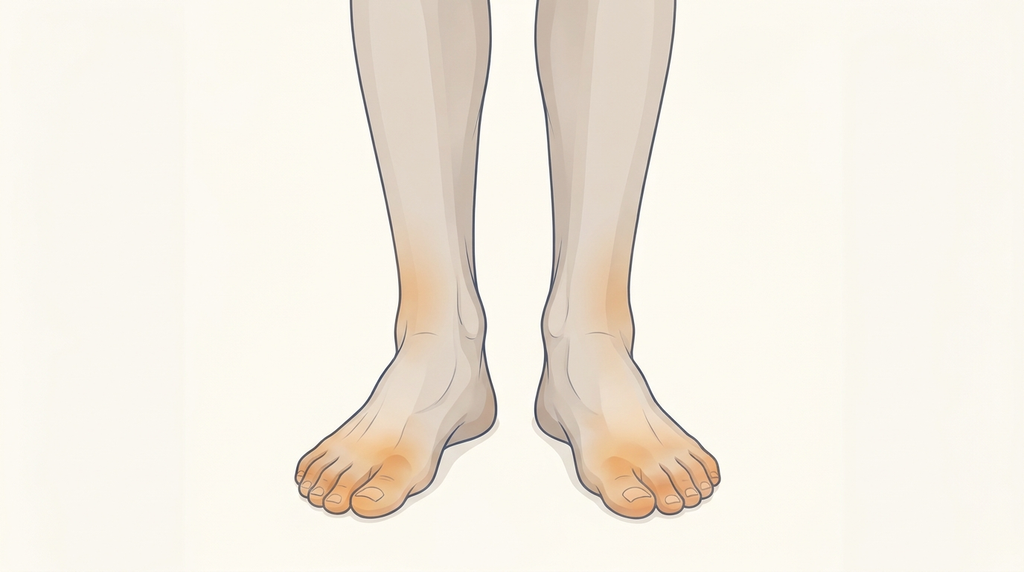
Lost sensation is not just uncomfortable. It is a real safety problem. If you cannot feel a blister, a burn, or a small cut forming, it can go unnoticed. The same nerve damage research points out that this loss of sensation raises the risk of unnoticed injuries in the feet.
A few habits can reduce the risk of unnoticed injuries. Check your feet daily, including between the toes. Wear well-fitting shoes that protect against sharp objects and pressure. Use a bath thermometer to check the water temperature before bathing, since reduced sensation can make heat harder to judge.
Can Alcoholic Neuropathy Be Reversed?
The honest answer is: sometimes, and often only partly. Nerve damage from alcohol is not automatically permanent, but it is not guaranteed to heal fully either, and the timeline is usually longer than people hope.
What the Research Actually Found
The clearest evidence comes from a small group of patients who stopped drinking and went back to eating a normal diet. In one follow up study, those patients improved in stages: sensory symptoms eased within days, muscle strength improved over weeks to months, and in the most severe cases, strength kept improving for up to two years. Even so, mild loss of vibration sense or absent ankle reflexes often remained, which means recovery was real but not complete.
A separate Swedish follow-up study published in 1984 found encouraging results in a small group of patients. Seven of the ten men re-examined three to five years later had normal or nearly normal clinical and nerve-test findings, and all seven had stopped drinking. Although the sample was too small to establish a reliable recovery rate, the findings suggest that substantial improvement is possible over several years. They do not guarantee that everyone who stops drinking will recover fully.
Pain Versus Numbness
Pain, tingling, and other unpleasant sensations may improve even when lost sensation has not fully returned. In a small follow-up group of patients who stopped drinking and resumed a normal diet, sensory symptoms eased, but mild sensory loss or absent ankle reflexes persisted. Feeling less pain does not necessarily mean that protective sensation has returned, so foot checks and follow-up remain important.
Treatment Options That Support Nerve Healing
Medically Supervised Withdrawal
Stopping alcohol is the foundation of treatment, but suddenly quitting after years of heavy drinking can be dangerous on its own. Withdrawal can bring tremors, seizures, and a severe confused state called delirium tremens. Medical guidelines recommend assessing withdrawal risk and using medications such as benzodiazepines to lower the chance of seizures and delirium, based on the withdrawal management guideline from the American Society of Addiction Medicine.
Thiamine and Nutrition
Heavy drinking often goes along with poor nutrition, and low thiamine can cause nerve damage alongside alcohol’s direct effects. For some high-risk patients, thiamine prescribing guidance recommends injectable thiamine followed by oral supplementation. The route and treatment plan depend on the patient’s medical assessment and care setting.
Short trials of B vitamins and related compounds have shown some improvement in pain and sensation scores. Nutrition support works best alongside abstinence, not as a stand alone fix.
Pain Relief Without Added Risk
Burning nerve pain can be treated, but medication choice matters more in early recovery than it might elsewhere. Some antidepressants used for nerve pain carry specific warnings for this group. The duloxetine prescribing label advises against its use in people with heavy alcohol use or chronic liver disease, because the combination can injure the liver.
Gabapentin and pregabalin may help with nerve pain, but they carry risks, including misuse potential and dangerous breathing problems when combined with opioids or other sedatives. Naloxone can reverse an opioid overdose, but it does not reverse gabapentin or pregabalin toxicity itself. A doctor who knows your full history, including your drinking pattern and other medications, should weigh these options.
Rehab, Movement, and Daily Habits
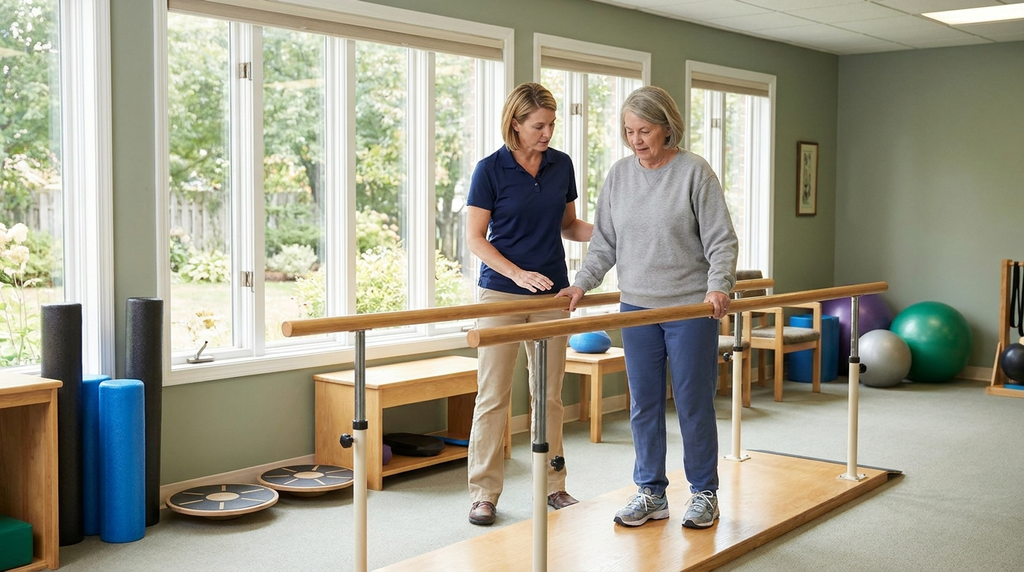
Physical therapy can help improve strength and balance even while some numbness remains. Occupational therapy can help you adapt daily tasks more safely.
Why It Matters: Protecting Your Nerves and Your Recovery
Managing pain may also matter for long-term alcohol recovery. One study following people after alcohol treatment found that those whose overall physical pain decreased had lower odds of returning to drinking. Although the study did not examine alcoholic neuropathy specifically or prove that pain relief prevents relapse, it highlights why persistent pain should be addressed as part of comprehensive recovery care.
The nerves in your feet and hands are not separate from the rest of your recovery. Protecting them, correcting nutrition, and getting support for drinking tend to work best together. Waiting rarely helps, and taking the first step, even a small one, often matters more than finding a perfect plan right away.
If heavy drinking is behind your nerve pain, treating the drinking itself has to be part of the plan. Our team at The Summit Wellness Group can help you find the right level of care, so reach out to explore an alcohol treatment program that fits where you are right now.